 | |
|
Diagnosis
A doctor will
want to determine whether other conditions may be causing anxiety or if the
patient has social anxiety disorder along with other physical or mental health
disorder. A psychiatrist or other mental health professional can help with
treatment. Fortunately, symptoms react well to treatment. The physical,
emotional, and behavioral symptoms of social anxiety disorder can respond well
to psychotherapy such as cognitive-behavioral therapy (CBT), exposure therapy,
and medication. In the event that you have not as of now been determined to
have social anxiety disorder, getting analysis and finding an anxiety therapist
ought to be your first need.
A psychiatrist may
determine the diagnosis based on:
- Physical test to help evaluate whether any medical condition or medication may trigger symptoms of anxiety
- A discourse of your side effects, how regularly they happen and in what circumstances
- Survey of a rundown of circumstances to check whether they make you on anxious
- Self-report questionnaires about symptoms of social anxiety
- Criteria’s listed in the Diagnostic and Statistical Manual of Mental Disorders (DSM-5), published by the American Psychiatric Association
DSM-5 criteria for social anxiety
disorder (SAD) include:
- Persistent and intense fear or anxiety about specific social situations because you believe you may be judged, embarrassed or humiliated
- Avoidance of anxiety-producing social situations or enduring them with intense fear or anxiety
- Excessive anxiety that's out of proportion to the situation
- Anxiety or distress that interferes with your daily living
- Fear or anxiety that is not better explained by a medical condition, medication or substance abuse.
Treatments for Social Anxiety Disorder
1. Medications
 |
| by HENRY VYNER, MD, PSYCHIATRIST |
If you see a doctor, psychiatrist,
or a psychologist for social anxiety, they may provide prescriptions to manage
your symptoms of social anxiety. The vast majority of the medication for social
anxiety falls into the categories listed below.
1. Selective Serotonin Reuptake Inhibitor (SSRI):
An SSRI attempts to encourage the transmission of serotonin in
the brain. SSRIs increase the availability of serotonin to help control your
appetite, temperament and sleep just as it decreases anxiety. SSRI medications
include Celexa, Paxil, Zoloft, Lexapro, and Prozac.
2. Serotonin and Norepinephrine Reuptake Inhibitors (SNRI):
These meds deal with both the serotonin and the
norepinephrine frameworks in your brain. As an SNRI controls the norepinephrine,
also known as adrenaline, it influences your reactions to fear and stress
including emotional reactions. The most regularly utilized SNRI prescriptions
for social anxiety disorder is Effexor and Pristiq.
3. Antidepressants:
In spite of the
fact that SSRIs and SNRIs appear to be the best for many people, some people do
better with other antidepressants. A portion of these is tricyclic antidepressants,
alleged due to the three rings in their compound structure. These are more
seasoned medications than the SSRIs and SNRIs. They can have genuine reactions,
some of which can affect the heart. However, they can in some cases help with
social anxiety. Here are the ones regularly utilized for that condition:
Tofranil, Pamelor, Elavil, Sinequan, and Anafranil.
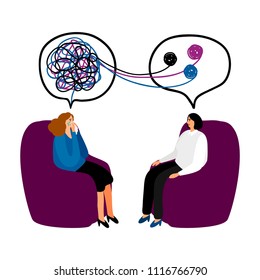
2. Psychotherapy
 |
| By StockSmartStart |
Cognitive Behavioral Therapy (CBT):
An immense collection of research has indicated cognitive-behavioral therapy
(CBT) to be a notably fruitful treatment for those experiencing social anxiety
disorders (social phobia). The American Psychological Association defines
cognitive-behavioral therapy as “a system of treatment involving a focus on
thinking and its influence on both behavior and feelings.”
Social-anxiety-specific CBT centers on changing the person's thoughts, beliefs,
feelings, and behavior as they relate to social situations. The cognitive part
of the therapy refers to thinking and is the part of therapy that can be
“taught” to the person. The act of practicing new thoughts through repetition
when the individual notices obstructive thoughts allow new patterns of
thinking to become habitual.
References
Social Anxiety Institute. (2019). DSM-5 Definition
of Social Anxiety Disorder. Retrieved 10 July, 2019, from https://socialanxietyinstitute.org/dsm-definition-social-anxiety-disorder
Verywellmind. (2019). Understanding the Causes of
Social Anxiety Disorder. Retrieved 9 July, 2019, from https://www.verywellmind.com/social-anxiety-disorder-causes-3024749
Better Help. (2019). 11 Types of Social Anxiety Disorder Treatment. Retrieved 10
July, 2019, from https://www.betterhelp.com/advice/anxiety/11-types-of-social-anxiety-disorder-treatment/
PSYCOM. (2019). Social Anxiety Disorder: Symptoms, Causes and Treatment. Retrieved 10
July, 2019, from https://www.psycom.net/social-anxiety-disorder-overview

No comments:
Post a Comment