How to cope with Social Anxiety Disorder?
 |
| by Clipart Portal |
Social anxiety disorder (SAD) assistance
can come in many forms. Despite the fact that treatment is available and viable
for SAD, it is evaluated that only 25 percent of individuals with the disorder receive
treatment.
While not substitutes for
professional treatment, for those that may some way or another, get no
assistance, self-improvement is a decent beginning stage. The self-improvement
methodologies for social anxiety disorder laid out beneath can be utilized at
home to cope with the side effects of SAD.
1. Social Coping
Distinguishing social skills that could trigger symptoms of SAD, and afterward concentrating on improving them can help in familiarizing yourself to the thoughts and feelings that accompany social anxiety disorder.
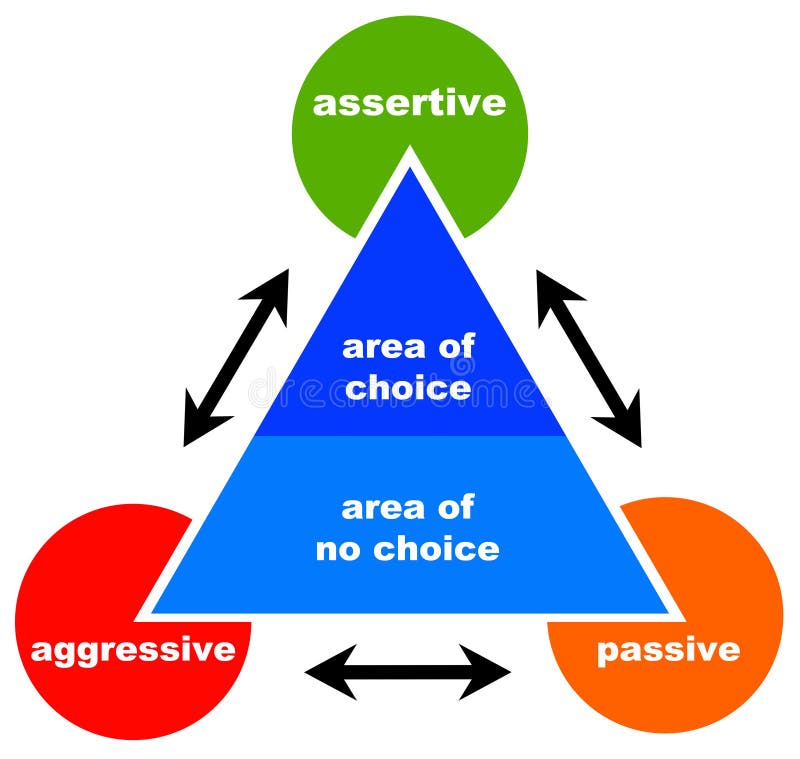
- Assertiveness
 |
Royalty-free stock photo
|
According to the Cambridge
Dictionary, the definition of assertive is, “behaving confidently and able to
say in a direct way what you want or believe”. Individuals with social anxiety
disorder need assertiveness and can benefit by figuring out how to turn out to be
assertive through self-help strategies.
Practice assertiveness by communicating
requirements in a composed and relaxed manner; while also taking into
consideration the needs of others. Usually, this takes the form of
"I" statements such as “I feel unhappy with the manner you are
speaking to me in”. Learning to say “no” is likewise a significant piece of
being assertive and an aptitude that many people with social anxiety disorder face
conflict in.
2. Emotional Coping
The two most common emotions when
having social anxiety disorder is fear and negative thoughts. A couple of basic
techniques can enable you to overcome them.
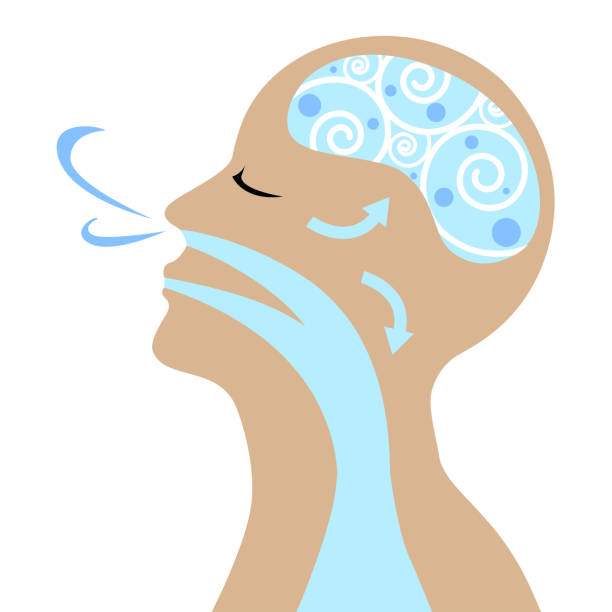
- Deep Breathing
 |
| iStock by Getty Images |
Having social anxiety implies
that you most likely strong emotional reactions in social circumstances. One
approach to lessen these anxious feelings is for your body to be in a peaceful state.
When the body is calm, your breathing is moderate and natural, and your mind is
free of negative thoughts, this makes it simpler to be with others.
- Reduce Negative Thinking
On the off chance that you live
with social anxiety, you presumably misinterpret comments or facial expressions
made by other people,
which add to your emotional reactions. Specifically,
there are two regular ideas that can contribute to social anxiety disorder.
 |
| by Susan Block |
Mind-reading: You presume that you know what other people are
thinking about you
(For instance: Everyone thinks
that I am annoying.)
 |
The Vampire Chronicles Sticker
|
(For example: Oh no! He looks very tired, I shouldn’t have asked him to tutor me.)
References
Verywell Mind. (2019). Living With Social Anxiety Disorder. Retrieved 11 July,
2019, from https://www.verywellmind.com/coping-with-social-anxiety-disorder-3024836
Cambridge Dictionary. (2019). Assertive. Retrieved 11 July,
2019, from https://dictionary.cambridge.org/dictionary/english/assertive
Psyche. (2019). Coping with Social Anxiety. Retrieved 12 July,
2019, from https://psyche.media/coping-with-social-anxiety

No comments:
Post a Comment