Monday, July 15, 2019

• Coping with Major Depressive Disorder

Clipart Library

Major Depressive Disorder drains your energy, hope, and drive, making it hard to make the strides that will assist you with feeling better. Sometimes, simply considering the things you ought to improve, such as exercising or spending time with friends can appear to be incapacitating or difficult to put into action without hesitation.
Managing Major Depressive Disorder (MDD) proposes having a technique or activity intend to control side effects. Coping, then again, is the manner by which you handle the circumstance or come to terms with your illness. A depression diagnosis can be overpowering. However, when you acknowledge the circumstance for what it is, it'll be simpler to proceed onward with your life.
Below suggested are some ways to cope with Major Depressive Disorder:

  • Knowing that you are not on your Own


On the off chance that none of your companions or family suffers from depression, it can feel as though you're alone. You may feel humiliated or embarrassed. However, depression can be coped with when reaching out and staying connected to your friends and family. Remaining associated with other individuals and partaking in social activities will improve things significantly in your state of mind and standpoint. Connecting is certainly not an indication of shortcoming and it won't mean you're a weight to other people.

  • Doing Things that Makes you Feel Good


A basic way of life changes can likewise enable you to adapt to this ailment. Ensure you get a lot of rest. Inadequate rest can cause irritability and anxiety. While you can't compel yourself to have a fabulous time or experience happiness, you can drive yourself to get things done, notwithstanding when you don't feel like it. You may be astounded at how much better you feel once you're out in the world. Regardless of whether your MDD doesn't lift quickly, you'll little by little feel increasingly energetic and enthusiastic as you set aside a few minutes for the sake of entertaining activities. 

  • Face up to Negative Thinking


Do you have an inclination that you're weak or powerless? That awful thing occurs and there's nothing you can do about it? That your circumstance is hopeless? MDD puts a negative turn on everything, including the manner in which you see yourself and your hopes and dreams for the future.
Rebecca Fuller on Linkedin

At the point when these sorts of thoughts overpower you, recall these are symptoms of MDD and these unreasonable, negative mentalities, aren't genuine or real. When you truly look at them they don't hold up. But even so, they can be hard to give up. Because you can't break out of this negative thoughts by instructing yourself to be "simply think positively."
However, this can be faced by trying to distinguish the sort of negative thinking’s that are powering MDD and replace them with a progressively adjusted perspective. 


References

Help guide. (2019). Coping with Depression. Retrieved 13 July, 2019, from https://www.helpguide.org/articles/depression/coping-with-depression.htm
Health Line. (2019). Managing vs Coping with MDD: What’s the Difference?. Retrieved 13 July, 2019, from https://www.healthline.com/health/depression/managing-major-depressive-disorder/managing-vs-coping
Health Line. (2019). Major Depressive Disorder (Clinical Depression). Retrieved 13 July, 2019, from https://www.healthline.com/health/clinical-depression

• Major Depressive Disorder: Diagnosis and Treatment

Pinclipart

Possible complications caused by Major Depressive Disorder (MDD):

  • Excess weight or obesity, which can lead to heart disease and diabetes
  • Pain or physical illness
  • Alcohol or drug misuse
  • Anxiety, panic disorder or social phobia
  • Family conflicts, relationship difficulties, and work or school problems
  • Social isolation
  • Suicidal feelings, suicide attempts or suicide
  • Self-injury (For example, cutting
  • Premature death from medical conditions

Diagnoses of Major Depressive Disorder

  • Physical Examination:

The doctor may do a physical exam and ask questions about a person’s health. In some cases, depression may be linked to an underlying physical health problem.
  • Lab Tests:

For instance, the doctor may do a blood test called a complete blood count or test the person’s thyroid to make sure it's functioning properly.
  • Psychiatric Evaluation:

A person’s mental health professional asks about their symptoms, thoughts, feelings and behavior patterns. They may be asked to fill out a set questionnaire of MDD to help answer these questions.
  • DSM-5:

A Qualified Mental Health Professional may use the criteria’s for depression listed in the Diagnostic and Statistical Manual of Mental Disorders (DSM-5), published by the American Psychiatric Association.

Treatment for Major Depressive Disorder (MDD):

    Beyond Blue
  • Medications:

A doctor may prescribe antidepressants, anti-anxiety, or antipsychotic medications. Each type of medication that’s used to treat depression has its own benefits and potential risks.
  • Psychotherapy:

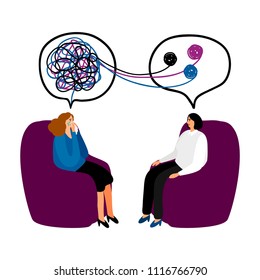
Speaking with a therapist can help a person to learn skills to cope with negative feelings. They may also benefit from family or group therapy sessions.
  • Light therapy:

Exposure to doses of white light can help regulate mood and improve symptoms of depression. This therapy is commonly used in seasonal affective disorder (which is now called major depressive disorder with seasonal pattern).
  • Alternative therapies:

Ask the doctor about acupuncture or meditation. Some herbal supplements are also used to treat depression, like St. John’s wort, SAMe, and fish oil. Talk with the doctor before taking a supplement or combining a supplement with prescription medication because some supplements can react with certain medications. Some supplements may also worsen depression or reduce the effectiveness of the medication.

  • Taking care of yourself through:

1. Exercise:
 Aim for 30 minutes of physical activity three to five days a week. Exercise can increase the body’s production of endorphins, which are hormones that improve a person’s mood.

2. Substance Abuse (avoiding alcohol and drugs):
Drinking or using drugs may make a person feel better for a little bit. But in the long run, these substances can make depression and anxiety symptoms worse.

3. Learning to be more assertive:
An overwhelming feel can worsen symptoms of anxiety and depression. Setting boundaries in professional and personal life can help a person feel better.
A person can also improve symptoms of depression by taking care of themselves. This includes getting plenty of sleep, eating a healthy diet, avoiding negative people, and participating in enjoyable activities. Sometimes depression doesn’t respond to medication. The doctor may recommend other treatment options if the symptoms don’t improve.

References
Kerr, M. (2017). Major Depressive Disorder: Symptoms. Retrieved from https://www.healthline.com/health/clinical-depression#causes
WebMD. (2019). Major Depressive Disorder: Symptoms. Retrieved from https://www.webmd.com/depression/guide/major-depression#1
Mayo Clinic. (2019). Depression: Major Depressive Disorder. Retrieved from https://www.mayoclinic.org/diseases-conditions/depression/symptoms-causes/syc-20356007

Harvard Medical School. (2019). What Causes Depression? Retrieved from https://www.health.harvard.edu/mind-and-mood/what-causes-depression

Sunday, July 14, 2019

• Major Depressive Disorder: Symptoms and Causes

Getting up (Credit: 23HourParty)

According to DSM-5 (Diagnostic Statistical Manual, 5th Edition), a person may have Major Depressive Disorder if he or she has experienced 5 or more of the symptoms below which persist for 2 weeks.

    • Significant weight gain or weight loss (5% of body weight gained or loss)
    • Slowed thinking, speaking or body movements
    • Feelings of worthlessness or guilt, self-blame, or fixated on past failures
    • Struggles in thinking, concentrating, making decisions and remembering things
    • Frequent or recurrent thoughts of death, suicidal thoughts, suicide attempts or suicide
    • Angry outburst, irritability or frustration over small matters
    • Sleep disturbances (insomnia or sleeping too much)
    • Loss of interest or pleasure in normal activities, hobbies, sex or sports
    • Lack of energy (small tasks requires extra effort)
    • Apathetic

Causes

Many chemicals in our body and mind are involved in working in and out of our cells that ensures healthy well-being both in mind and body. However, it is not as simple as saying that there is a chemical imbalance in the brain that causes a person to develop depression. 

It is no wonder that depression is also known as the Master of Disguise as it has the reputation of being well hidden within a person. This is also why many of those who suffer from depression mostly suffer in silence and without treatment.

Though it is important to understand that certain parts of our brain are responsible for balancing our moods, importantly, the nerve cells connection, growth and function. Despite researchers studying this, it's knowledge of neurological related to moods is still very much incomplete.


The 3 main areas of the brain that are affected:
Amygdala, Thalamus, and Hippocampus (Credit: ProProfs)

  • Amygdala
    • Limbic system
    • Responsible for emotions such as anger, pleasure, sorrow, fear and sexual arouse
    • Activates when the person recalls a frightening memory
    • Activity in this part of the brain increases when the person is sad or clinically depressed
    • Continues even after recovery from depression
  • Thalamus
    • Receives most sensory information and relays to the appropriate part of the cerebral cortex such as speech, behavioral reactions, movement, thinking and learning
    • It is suggested that Bipolar Disorder results from the issues in the Thalamus 
  • Hippocampus
    • Part of the limbic system and plays a role in processing long-term memory and recollection
    • This part of the brain is responsible for registering fear when encountered with a frightening situation
    • Appears to be smaller or shrunk in those with depression as it is believed that the hippocampus nerve cells are damaged and that the stress impairs the growth cells related

 The Neurotransmitters affected:
Researchers believed that there are a few different kinds of neurotransmitters that play a role in depression.
  1. Acetylcholine
    • Relates to memory, learning and recalling
  2. Serotonin
    • Responsible for sleep, appetite, mood, and pain
    • Researchers noted that depressed people have a low level of serotonin transmission which contributes to a high risk of suicide
  3. Norepinephrine
    • Responsible for motivation and reward
    • Constricts blood vessels
    • Raises blood pressure
    • Triggers anxiety 
  4. Dopamine
    • Responsible for movement
    • Related with psychosis
    • Brain reward system 
  5. Glutamate
    • Excitatory neurotransmitter
    • Related to Bipolar Disorder and Schizophrenia
  6. Gamma-aminobutyric acid (GABA)
    • Acts as an inhibitory neurotransmitter
    • Thought to help calm anxiety

Cause in Other Factors:

  • Genetic
    • Family history of depression or bipolar disorder
  • Environmental
    • Pressure in the workplace, job scope or retirement
  • Psychological Factors
    • Triggered emotions from the past
    • A recent traumatic or stressful event

References
Kerr, M. (2017). Major Depressive Disorder: Symptoms. Retrieved from https://www.healthline.com/health/clinical-depression#causes
WebMD. (2019). Major Depressive Disorder: Symptoms. Retrieved from https://www.webmd.com/depression/guide/major-depression#1
Mayo Clinic. (2019). Depression: Major Depressive Disorder. Retrieved from https://www.mayoclinic.org/diseases-conditions/depression/symptoms-causes/syc-20356007
Harvard Medical School. (2019). What Causes Depression? Retrieved from https://www.health.harvard.edu/mind-and-mood/what-causes-depression

♧ Depression: Major Depressive Disorder

It is not just being 'sad' (Credit: Chris Gethard)
Depression . . . 

The very disorder that most will think they have... or do they? In reality, the definition and true expression of depression is masked behind the scenes of a trend or depicted falsely in some movies or tv series by a cute, dark teenage boy who smokes a cigarette and wishes for death. However, is that all to depression?

With that in mind, let it be rooted deeply that there is no denying that there is a major difference between having depression and in depression. This is important as most in the world does not believe in the fact that depression is an actual mental disorder; some simply believe that depression just means that a person is sad.

Having Depression

Those who have depression often state that they "feel" depressed at a certain period of time with an external factor that causes the person discomfort and sadness. However, after a short period of time, the "feeling" goes away and all is back to normal until the person encounters another stressful or sad situation which will then cause the person to feel sad and "feel" depressed of which the cycle continues.

In Depression

In the United States of America, of the 10% of all those suffering from depression, most will suffer in silence and without treatment. Those who are in depression tend to suffer silently with the loss of will to even so much as to get up from bed or, to eat or to socialize with others. The difference is that the person never gets better, suffers from it long-term and progressively gets worst depending on the types of depression if he or she does not seek out clinical help and support. 


PET Scan: Differences between Depressed and Non-Depressed


There are 8 different types of depression which are as follows: 

  1. Major Depressive Disorder (a.k.a Clinical Depression)
  2. Chronic Depression (a.k.a Dysthymia)
  3. Atypical Depression
  4. Postpartum Depression
  5. Bipolar Depression (Manic Depression)
  6. Seasonal Depression (SAD)
  7. Psychotic Depression 
  8. Treatment-Resistant Depression


Major Depressive Disorder


When the symptoms of depression persist for an extended period of time, the person may have Major Depressive Disorder (MDD). It affects various areas of a person's life to the point that it alters lifestyles and physical functions such as the impact of mood and behavior as well as changes in the person's appetite and sleep cycle. People suffering from MDD tend to lose all interest in activities that they once enjoyed, struggles in daily activities and routines and a loss of interest in maintaining friendships or relationships.

What Triggers Major Depressive Disorder

Researchers stated that most of their studies and research point to a chemical imbalance in the body and the brain but there is not enough data that confirms that chemical imbalance is the true causes of developing Major Depressive Disorder. 

In fact, there are many reasons that may contribute to the disorder and one should consult their therapist or physician if he or she suspects themselves having symptoms of MDD that has persisted throughout their life, and experience symptoms throughout the day that occurs often and frequently within a week.

Below is the list that commonly triggers a person to develop Major Depressive Disorder:
  • Social isolation or feelings of being deprived
  • Loss of a loved one through death, separation or divorce
  • Personal conflicts in relationships (significant other or superior)
  • Physical abuse, sexual abuse or emotional abuse
  • Major life changes (moving, graduation, retirement)


References
WebMD. (2018). What is Major Depressive Disorder: Definition and Triggers. Retrieved from https://www.webmd.com/depression/guide/major-depression#1
WebMD. (2018). What is Major Depressive Disorder: Types of Depression. Retrieved fromhttps://www.webmd.com/depression/guide/depression-types#1
Farrell, Helen. (2016). Are You Feeling Depressed vs Having Depression? Retrieved from https://thedoctorweighsin.com/are-you-feeling-depressed-or-having-depression/
Harvard Medical School. (2019). What Causes Depression? Retrieved from https://www.health.harvard.edu/mind-and-mood/what-causes-depression

Friday, July 12, 2019

• Coping with Social Anxiety Disorder

How to cope with Social Anxiety Disorder?

by Clipart Portal
Social anxiety disorder (SAD) assistance can come in many forms. Despite the fact that treatment is available and viable for SAD, it is evaluated that only 25 percent of individuals with the disorder receive treatment.

While not substitutes for professional treatment, for those that may some way or another, get no assistance, self-improvement is a decent beginning stage. The self-improvement methodologies for social anxiety disorder laid out beneath can be utilized at home to cope with the side effects of SAD.

1. Social Coping 


Distinguishing social skills that could trigger symptoms of SAD, and afterward concentrating on improving them can help in familiarizing yourself to the thoughts and feelings that accompany social anxiety disorder.

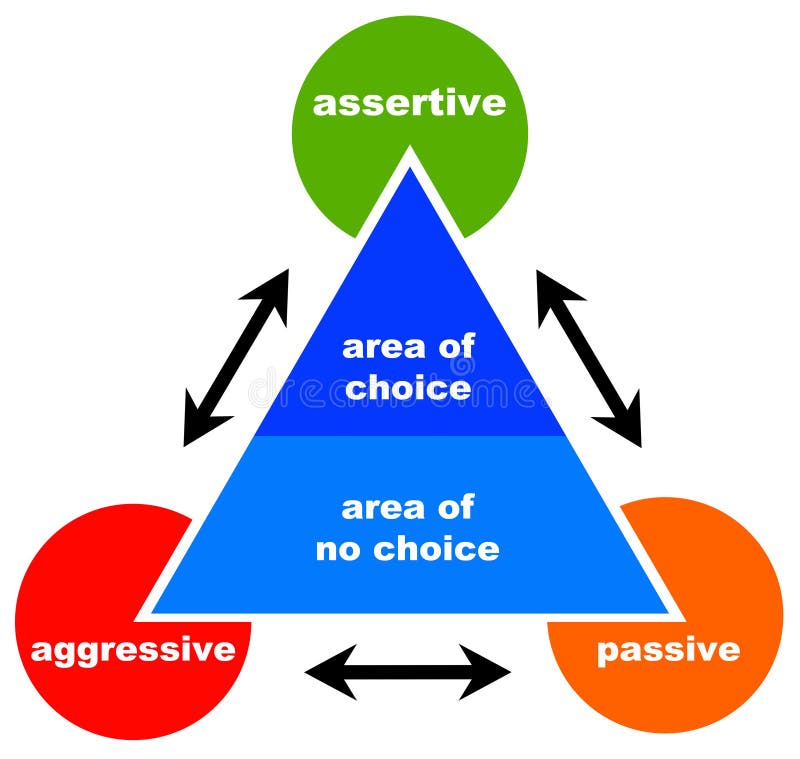
  • Assertiveness


Royalty-free stock photo
According to the Cambridge Dictionary, the definition of assertive is, “behaving confidently and able to say in a direct way what you want or believe”. Individuals with social anxiety disorder need assertiveness and can benefit by figuring out how to turn out to be assertive through self-help strategies. 

Practice assertiveness by communicating requirements in a composed and relaxed manner; while also taking into consideration the needs of others. Usually, this takes the form of "I" statements such as “I feel unhappy with the manner you are speaking to me in”. Learning to say “no” is likewise a significant piece of being assertive and an aptitude that many people with social anxiety disorder face conflict in.

2. Emotional Coping

The two most common emotions when having social anxiety disorder is fear and negative thoughts. A couple of basic techniques can enable you to overcome them.

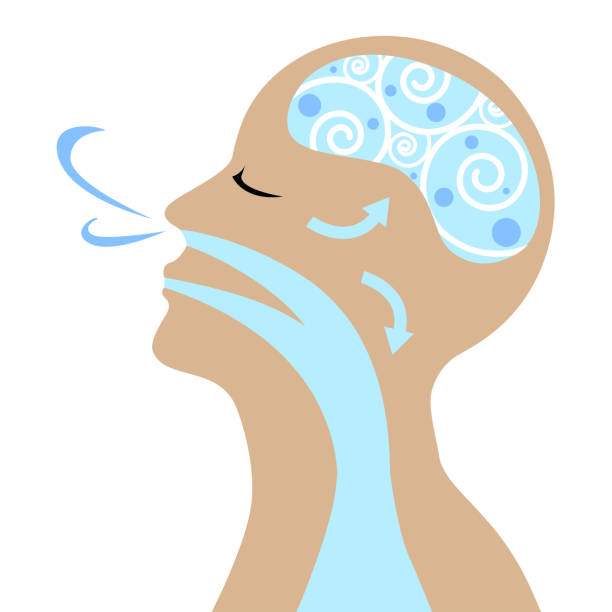
  • Deep Breathing   


iStock by Getty Images
Having social anxiety implies that you most likely strong emotional reactions in social circumstances. One approach to lessen these anxious feelings is for your body to be in a peaceful state. When the body is calm, your breathing is moderate and natural, and your mind is free of negative thoughts, this makes it simpler to be with others. 

  • Reduce Negative Thinking


On the off chance that you live with social anxiety, you presumably misinterpret comments or facial expressions made by other people,
by Susan Block
which add to your emotional reactions. Specifically, there are two regular ideas that can contribute to social anxiety disorder.

Mind-reading: You presume that you know what other people are thinking about you
(For instance: Everyone thinks that I am annoying.)

The Vampire Chronicles Sticker
Personalizing: You assume that the behaviors of others in one way or another is related to you.
(For example: Oh no! He looks very tired, I shouldn’t have asked him to tutor me.)


References
Verywell Mind. (2019). Living With Social Anxiety Disorder. Retrieved 11 July, 2019, from https://www.verywellmind.com/coping-with-social-anxiety-disorder-3024836
Cambridge Dictionary. (2019). Assertive. Retrieved 11 July, 2019, from https://dictionary.cambridge.org/dictionary/english/assertive
Psyche. (2019). Coping with Social Anxiety. Retrieved 12 July, 2019, from https://psyche.media/coping-with-social-anxiety

Wednesday, July 10, 2019

• Social Anxiety Disorder: Diagnosis and Treatment

The red fields in these images of the brain show serotonin syntheses in a patient with social anxiety disorder. The neurotransmitters serotonin and dopamine are central to studying shyness and social. (STRN)

Diagnosis


A doctor will want to determine whether other conditions may be causing anxiety or if the patient has social anxiety disorder along with other physical or mental health disorder. A psychiatrist or other mental health professional can help with treatment. Fortunately, symptoms react well to treatment. The physical, emotional, and behavioral symptoms of social anxiety disorder can respond well to psychotherapy such as cognitive-behavioral therapy (CBT), exposure therapy, and medication. In the event that you have not as of now been determined to have social anxiety disorder, getting analysis and finding an anxiety therapist ought to be your first need. 

A psychiatrist may determine the diagnosis based on:
  • Physical test to help evaluate whether any medical condition or medication may trigger symptoms of anxiety
  • A discourse of your side effects, how regularly they happen and in what circumstances
  • Survey of a rundown of circumstances to check whether they make you on anxious
  • Self-report questionnaires about symptoms of social anxiety
  • Criteria’s listed in the Diagnostic and Statistical Manual of Mental Disorders (DSM-5), published by the American Psychiatric Association

DSM-5 criteria for social anxiety disorder (SAD) include:
  • Persistent and intense fear or anxiety about specific social situations because you believe you may be judged, embarrassed or humiliated
  • Avoidance of anxiety-producing social situations or enduring them with intense fear or anxiety
  • Excessive anxiety that's out of proportion to the situation
  • Anxiety or distress that interferes with your daily living
  • Fear or anxiety that is not better explained by a medical condition, medication or substance abuse. 


Treatments for Social Anxiety Disorder


1. Medications

by HENRY VYNER, MD, PSYCHIATRIST

If you see a doctor, psychiatrist, or a psychologist for social anxiety, they may provide prescriptions to manage your symptoms of social anxiety. The vast majority of the medication for social anxiety falls into the categories listed below.

1. Selective Serotonin Reuptake Inhibitor (SSRI): 

An SSRI attempts to encourage the transmission of serotonin in the brain. SSRIs increase the availability of serotonin to help control your appetite, temperament and sleep just as it decreases anxiety. SSRI medications include Celexa, Paxil, Zoloft, Lexapro, and Prozac.

2. Serotonin and Norepinephrine Reuptake Inhibitors (SNRI): 

These meds deal with both the serotonin and the norepinephrine frameworks in your brain. As an SNRI controls the norepinephrine, also known as adrenaline, it influences your reactions to fear and stress including emotional reactions. The most regularly utilized SNRI prescriptions for social anxiety disorder is Effexor and Pristiq.

3. Antidepressants: 

In spite of the fact that SSRIs and SNRIs appear to be the best for many people, some people do better with other antidepressants. A portion of these is tricyclic antidepressants, alleged due to the three rings in their compound structure. These are more seasoned medications than the SSRIs and SNRIs. They can have genuine reactions, some of which can affect the heart. However, they can in some cases help with social anxiety. Here are the ones regularly utilized for that condition: Tofranil, Pamelor, Elavil, Sinequan, and Anafranil.


2. Psychotherapy 


By StockSmartStart

Cognitive Behavioral Therapy (CBT): 

An immense collection of research has indicated cognitive-behavioral therapy (CBT) to be a notably fruitful treatment for those experiencing social anxiety disorders (social phobia). The American Psychological Association defines cognitive-behavioral therapy as “a system of treatment involving a focus on thinking and its influence on both behavior and feelings.” Social-anxiety-specific CBT centers on changing the person's thoughts, beliefs, feelings, and behavior as they relate to social situations. The cognitive part of the therapy refers to thinking and is the part of therapy that can be “taught” to the person. The act of practicing new thoughts through repetition when the individual notices obstructive thoughts allow new patterns of thinking to become habitual. 


References
Social Anxiety Institute. (2019). DSM-5 Definition of Social Anxiety Disorder. Retrieved 10 July, 2019, from https://socialanxietyinstitute.org/dsm-definition-social-anxiety-disorder
Verywellmind. (2019). Understanding the Causes of Social Anxiety Disorder. Retrieved 9 July, 2019, from https://www.verywellmind.com/social-anxiety-disorder-causes-3024749
Better Help. (2019). 11 Types of Social Anxiety Disorder Treatment. Retrieved 10 July, 2019, from https://www.betterhelp.com/advice/anxiety/11-types-of-social-anxiety-disorder-treatment/
PSYCOM. (2019). Social Anxiety Disorder: Symptoms, Causes and Treatment. Retrieved 10 July, 2019, from https://www.psycom.net/social-anxiety-disorder-overview

• Social Anxiety Disorder: Signs and Symptoms

Common Triggers of Social Anxiety Disorder

Posted by: r/socialanxiety
Anyone with social anxiety disorder can encounter it in various ways. Yet, there are some common situations that individuals in general experience difficulty with. However, the situations that trigger social anxiety can vary. Some individuals experience SAD in almost all social situations whereas for others it can be connected to specific social situations. Common anxiety triggers include:

  • Meeting new individuals
  • Making casual conversation
  • Public speaking
  • Performing in front of an audience
  • Being the center of attention
  • Being teased or criticized
  • Being watched while doing something
  • Talking with “important” people or authority figures
  • Going on a date
  • Speaking up in a meeting
  • Being approached in class
  • Speaking up in a meeting
  • Taking tests or exams
  • Eating or drinking in public
  • Going to parties or other get-togethers
  • Making telephone calls
  • Using public restrooms

Symptoms

Juggadin News-Symptoms of Social Anxiety Disorder


Just because you at times get anxious in social circumstances, it doesn't mean you have social anxiety disorder or social phobia. Many individuals feel shy or reluctant now and again, yet that does not impede their regular performance. However, social anxiety disorder interferes with your typical daily schedule and causes a huge burden.

For instance, it's without fault ordinary to get nervous before giving a speech. Nonetheless, if you have social anxiety disorder, you may be anxious for long ahead of time, call in sick to get out of it or begin shaking so awful during the speech that you can barely verbalize. 

Juggadin News-Symptoms of Social Anxiety Disorder

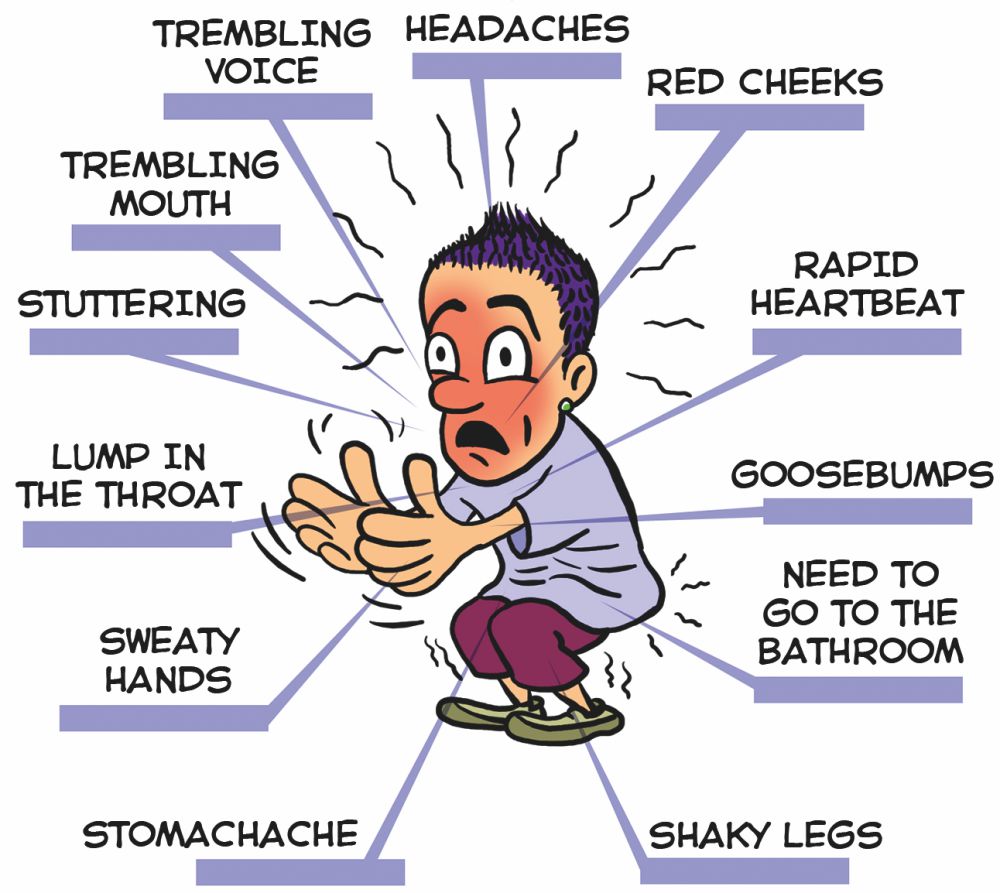
Physical symptoms of SAD includes:

  • Red face or becoming flushed
  • Shortness of breath
  • Trembling or shaking
  • Have a rapid heart rate or tightness in the chest                                               
  • Feel nauseous and sick to the stomach.
  • Demonstrate an unbending body pose, makes little eye contact, or talk with an excessively delicate voice.
  • Feeling dizzy or faint
  • Sweating or hot flashes
  • Mental tensions, walking disturbance and cold hands. 

Emotional symptoms of SAD includes: 

  • Excessive self-consciousness and anxiety in regular social circumstances
  • Intense worry for weeks, or even a long time before an up and coming social circumstance
  • Attempt to stay away from situations where they can be the center of attention
  • Being anxious about the possibility that that other individual may pass judgment about them
  • Anxious that they’ll act in ways that will embarrass or humiliate themselves
  • Sensing their ‘mind going void’ while communicating with other people               
  • Fear of others seeing that they're nervous
  • posted by https://giant.gfycat.com 
  • Panic attacks when facing intimidating situations


Behavioral symptoms of SAD includes:

  • Keeping away from social circumstances to a degree that restrains your activities or disrupts your life
  • Remaining quiet or stowing away out of sight to escape notice and humiliation
  • A necessity to continually need a friend to tag alongside you any place you go
  • By Carmen Castillo
  • Drinking before social circumstances so as to calm your nerves


References 
Jugaadinnews. (2019). Symptoms of Social Anxiety Disorder. Retrieved 9 July, 2019, from http://news.jugaadin.com/symptoms-of-social-anxiety-disorder/
NIMH. (2019). Social Anxiety Disorder: More Than Just Shyness. Retrieved 9 July, 2019, from https://www.nimh.nih.gov/health/publications/social-anxiety-disorder-more-than-just-shyness/index.shtml
Winchester Hospital. (2019). Symptoms of Social Anxiety Disorder. Retrieved 9 July, 2019, from https://www.winchesterhospital.org/health-library/article?id=20198
Helpguide. (2019). Social Anxiety Disorder. Retrieved 10 July, 2019, from https://www.helpguide.org/articles/anxiety/social-anxiety-disorder.htm

♧ What is Social Anxiety Disorder?

What is Social Anxiety Disorder?

By Monte Brogdon a year ago in Coping
The defining feature of social anxiety disorder, also known as social phobia, is the feeling of extraordinary nervousness or fear of being judged, obstinately judged, or rejected in a social or performance circumstance. Although this disorder is labeled as social phobia in the DSM-IV-TR, the term Social Anxiety Disorder (SAD) is proposed in the DSM-5 as the harms caused by it tends to be more omnipresent and interferes much more with daily activities compared to problems caused by other phobias.

Social Anxiety Disorder (SAD) is the second most commonly diagnosed anxiety disorder. It is most common among women and it tends to typically begin in adolescence and interferes with developing friendships. In spite of the fact, people diagnosed with social anxiety disorder normally report extreme shyness in childhood, it is important to note that this issue isn't simply shyness.


Risk Factors


Illustration by Brianna Gilmartin, Verywell
A risk factor is something that raises your odds of getting a health problem. If you have been diagnosed with social anxiety disorder (SAD) you may wonder what caused you to develop the disorder. Rather than there being a single contributing factor, it is likely a complex interchange of factors that results in the disorder.


1. Genetics: Up until this point, researchers have not discovered a specific hereditary composition connected to Social Anxiety Disorder (SAD). However, they have in any case; discovered particular chromosomes connected to other anxiety disorders, for example, agoraphobia and panic disorder.

2. Environmental: The psychosocial causes of social anxiety disorder (SAD) include factors in the environment that influence you as you grow up. In the event that one of a parent has social anxiety disorder (SAD), then the child is most likely to develop the disorder. The upbringing also impacts the likelihood that an individual will develop SAD and a child is most likely to develop the disorder if:
  • The child is not exposed to enough social situations and were not permitted to develop appropriate social skills.
  • If their parents were rejecting, controlling, critical and overprotective.

3. Brain structure: When experiencing anxiety, four areas of the brain is involved:
  • The brain stem which controls the heart rate and breathing.
  • The limbic system that influences the mood and anxiety level.
  • The prefrontal cortex that helps to judge risk and danger.
  • The motor cortex that controls the muscles. 

References
ADAA. (2018). Social Anxiety Disorder. Retrieved 9 July, 2019, from https://adaa.org/understanding-anxiety/social-anxiety-disorder
WebMD. (2019). What Is Social Anxiety Disorder?. Retrieved 9 July, 2019, from https://www.webmd.com/anxiety-panic/guide/mental-health-social-anxiety-disorder
Winchester Hospital. (2019). Risk Factors for Social Anxiety Disorder. Retrieved 9 July, 2019, from https://www.winchesterhospital.org/health-library/article?id=20196
Verywellmind. (2019). Understanding the Causes of Social Anxiety Disorder. Retrieved 9 July, 2019, from https://www.verywellmind.com/social-anxiety-disorder-causes-3024749